Category: Vancouver App Development Trends

  • The Importance of UI/UX Design for Vancouver Websites

    Table of contents

    • TL;DR / Quick Answer
    • What Is UI/UX design for Vancouver websites?
    • How Much Does UI/UX Design Cost in Vancouver?
    • How Do You Choose and Vet a UI/UX Agency in Vancouver?
    • What Vancouver UI/UX trends and technical requirements should you plan for?
    • What Should You Prepare Before Hiring a Vancouver UI/UX Designer?
    • Key Takeaways
    • FAQ

    TL;DR / Quick Answer

    UI/UX design Vancouver reduces churn and increases conversions when you run focused research, prototypes, and usability testing. Start with a 2–4 week discovery sprint that includes user interviews, analytics review, and prioritized hypotheses.

    Run measurable workstreams: user research should produce the top three user needs within the first week. Prototyping in Figma produces clickable flows in 2–4 weeks and catches usability issues before development. Usability testing with 5–10 participants finds roughly 80% of major problems before launch. Deliver a tokenized design system and a versioned component library to cut future maintenance costs and speed development.

    See local vendor lists on the Directory: UI/UX design agencies in Vancouver (DesignRush) and timeline benchmarks on the Guide: Web design and development expectations for Vancouver businesses (NirvanaCanada).

    What Is UI/UX design for Vancouver websites?

    UI/UX design for Vancouver websites is the practice of designing interfaces and interactions for local users through research, prototyping, and testing. It produces measurable improvements in task completion, support load, and conversion rates.

    A Vancouver agency's core deliverables typically include the following items:

    • User research: interviews, surveys, and analytics to define the top three user goals.
    • Interaction design: navigation, flows, and micro-interactions defined as acceptance criteria.
    • Prototyping: low- and high-fidelity clickable prototypes built in Figma.
    • Usability testing: tests with 5–10 participants and iterative fixes.
    • Design systems: tokenized styles, component libraries, and versioned assets.

    A typical Vancouver engagement follows this cadence:

    1. Discovery and user research, 1–3 weeks.
    1. Interaction design and information architecture, 1–2 weeks.
    1. Prototyping from low to high fidelity, 1–3 weeks.
    1. Usability testing and iteration, 1–2 weeks.
    1. Handoff with a component library and documentation.

    Vancouver teams treat research as the foundation and report metrics in case studies. Local directories list agencies that follow this stack; view examples in the DesignRush Vancouver UI/UX directory.

    How Much Does UI/UX Design Cost in Vancouver?

    A typical UI/UX design Vancouver engagement charges CAD 100–200 per hour, and small-to-mid projects cost CAD 8,000–60,000. Budget windows and hourly rates reflect team seniority, research intensity, and deliverables.

    Price bands and deliverables:

    • Landing page / small redesign: CAD 8,000–15,000. Includes one research cycle and basic usability testing.
    • Mid-size project / MVP: CAD 25,000–60,000. Includes discovery, prototypes, and a testing round.
    • Complex product or enterprise: CAD 75,000–150,000. Includes multi-phase discovery and a living design system.

    Billing and timeline rules I recommend:

    1. Bill hourly during discovery to map scope and research needs.
    1. Move to fixed-price sprints with clear deliverables for prototyping and testing.
    1. Use milestone payments: Discovery 20%, Wireframes 30%, Prototype 30%, Handoff 20%.

    Contract items to require:

    • Delivery of editable Figma files and a tokenized style guide.
    • A coded component library or export-ready design tokens.
    • Acceptance criteria including Lighthouse scores and WCAG checks.

    Market signals show steady local demand; job boards list over 100 active UI/UX roles in Vancouver, indicating supply and price pressure.

    How Do You Choose and Vet a UI/UX Agency in Vancouver?

    Choose a Vancouver agency by prioritizing measurable outcomes, replicable processes, and living systems. Shortlist firms using verified directories and ask for case studies with clear metrics.

    Vetting checklist:

    1. Review portfolios for metrics, such as conversion lift, task-time improvements, or reduced support tickets.
    1. Demand a case study that lists goals, research methods, participant counts, and measured outcomes.
    1. Verify the design process: discovery, interaction design, prototyping, usability testing, and developer handoff.
    1. Confirm delivery of a versioned design system and component library in Figma and code exports.
    1. Request references and call at least two former clients about timelines and measurable results.

    Interview guide for proposals:

    • Ask for planned research participants and recruitment methods.
    • Request sample acceptance criteria for performance and accessibility.
    • Confirm milestone dates and a communication cadence.

    Use directories such as the DesignRush Vancouver UI/UX directory to shortlist firms, then validate proposals with two reference calls. Allow 1–2 weeks for shortlisting, interviews, and reference checks.

    What Vancouver UI/UX trends and technical requirements should you plan for?

    Plan for fast performance, WCAG accessibility, and a reusable component library when building Vancouver websites. Define acceptance criteria for Core Web Vitals and require a tokenized design system at handoff.

    Five concrete technical requirements to include in scope:

    • Micro-interactions: limit animation response to 200ms and use GPU-accelerated CSS for performance.
    • Personalization: implement server-driven content flags and analytics, with A/B capability in release criteria.
    • Design systems: deliver tokenized styles and React or Vue components, plus Figma assets and documentation.
    • Performance targets: set LCP < 2.5s, CLS < 0.1, and an INP target or FID proxy.
    • Accessibility: require a WCAG 2.1 AA audit, keyboard flows, and semantic HTML checks.

    Acceptance criteria examples to add to contracts:

    • Lighthouse score thresholds for mobile and desktop.
    • Measured load times on a 3G simulated mobile network.
    • A WCAG checklist with a remediation plan and delivery date.

    Vancouver clients who require these targets reduce post-launch rework and lower support costs.

    What Should You Prepare Before Hiring a Vancouver UI/UX Designer?

    Prepare a clear brief, stakeholder map, data access, and a realistic budget before vendor outreach. Gathering this information saves two to four weeks in the engagement timeline.

    Pre-hire checklist:

    1. Stakeholder map with decision owner names and approval steps.
    1. User personas and priority user journeys with success metrics.
    1. Analytics access: GA4, session recordings, conversion goals, and sample funnels.
    1. CMS details and API notes, including authentication and third-party integrations.
    1. Brand assets: high-resolution logos, font files, and color palettes.
    1. Prototype goals: define whether you need a low- or high-fidelity clickable prototype.
    1. Usability testing plan: recruitment budget, participant profiles, and success criteria.
    1. Expectation for a delivered design system or component library and versioning policy.
    1. Budget range and timeline windows, typically 2–12 weeks for small-to-mid projects.

    Share these items during intake calls to shorten the discovery phase and improve cost estimates. Use the NirvanaCanada guide for technical handoff expectations and timing benchmarks: Guide: Web design and development expectations for Vancouver businesses (NirvanaCanada).

    Key Takeaways

    • Start with a focused 2–4 week discovery sprint that validates top user needs.
    • Budget CAD 8,000–60,000 for small-to-mid projects and CAD 100–200/hr for agency work.
    • Require Figma files, tokenized design systems, and coded components at handoff.
    • Set measurable acceptance criteria: LCP < 2.5s, CLS < 0.1, and WCAG 2.1 AA compliance.
    • Vet agencies by case studies with metrics and call at least two past clients before signing.

    FAQ

    Q: How long does a small redesign take in Vancouver?

    A: Expect 2–12 weeks depending on scope, research, and testing requirements.

    Q: Which design tool do Vancouver agencies commonly use?

    A: Figma is the dominant tool for design, prototyping, and developer handoff.

    Q: What deliverables should I request from a Vancouver UI/UX engagement?

    A: Request a clickable Figma prototype, annotated wireframes, a research report, and exported design tokens.

    Q: How many usability test participants should I recruit?

    A: Recruit 5–10 participants per test to find the majority of usability issues.

    Q: What measurable uplift can I expect from targeted UX work?

    A: Targeted UX improvements often yield 10–30% conversion gains, depending on baseline performance.

    Q: Should I hire in-house or use an agency first?

    A: Use an agency for short projects and specialized skills; hire in-house for ongoing product work and retention.

    Q: What contract clauses protect my IP?

    A: Require assignment of IP on payment, delivery of source Figma files, exported assets, and a 12-month warranty for major defects.

    Q: Where can I find Vancouver UI/UX agencies and benchmarks?

    A: Start with the DesignRush Vancouver UI/UX directory and the NirvanaCanada technical guide.

    References

    1. Top UI/UX Design Agencies in Vancouver | DesignRush

      Directory listing: Vancouver agencies commonly offer services such as user research, prototyping, usability testing, and design systems.

    2. UI/UX Designer jobs in Vancouver, BC – Indeed

      Indeed lists over 100 active UI/UX designer job postings in Vancouver, indicating steady local hiring demand.

    3. Danoria — UX & UI Design in Vancouver

      ‘UX and UI design impacts every part of your website performance’ — affecting clarity, navigation, and conversion potential.


  • A Complete Overview of Web Development in Vancouver

    Table of contents

    • TL;DR — Quick answer
    • What is 'Vancouver web development' and which local services should I expect?
    • How much does web development cost in Vancouver, BC, Canada?
    • How do I pick the right Vancouver web development partner?
    • What tech stacks and approaches are most common for frontend and full-stack development in Vancouver?
    • What are the key takeaways for businesses in Vancouver?
    • FAQ

    TL;DR — Quick answer

    Vancouver web development is local website and web-app engineering for Vancouver, BC clients. Agencies deliver website creation, frontend development, and full‑stack development with measurable SEO and performance targets.

    A practical budget and steps summary:

    1. Define pages, integrations, and launch date; expect small brochure sites in CAD 5,000–15,000.
    1. Pick React/Next.js for responsive frontends and Node or managed CMS for backend needs.
    1. Target Core Web Vitals scores and use server rendering plus image optimization for speed.
    1. Expect medium product builds to cost CAD 25,000–150,000 depending on scope and team.

    The global web market measured USD 87.75 billion in 2026, growing at 8.9% CAGR to 2031. Use review lists and local guides to shortlist vendors, for example our Top 10 Web Development Agencies in Vancouver editorial roundup and the Local guide: Best Web Development Companies (Surrey/Vancouver region). For company context see The Code Giant homepage at The Code Giant.

    What is 'Vancouver web development' and which local services should I expect?

    Answer: Vancouver web development is design and engineering tailored to Vancouver clients, combining local market knowledge with engineering deliverables. Vendors deliver code, launch plans, SEO milestones, and post-launch support.

    Local teams specialize by deliverable type. Expect these common services:

    • Frontend development: responsive React or Vue apps with accessibility and mobile-first design.
    • Backend and APIs: Node servers, serverless functions, or PHP for integrated systems.
    • CMS and e-commerce: WordPress, Drupal, Shopify, and headless CMS setups for editorial and catalog workflows.
    • Performance and SEO: defined Core Web Vitals targets, structured data, and measurable traffic goals.

    Vancouver agencies often add value through proximity and regional knowledge. That helps with stakeholder workshops, in-person design sprints, and faster feedback loops. Use curated lists to compare firms quickly. See our Top 10 Web Development Agencies in Vancouver for a vetted starting shortlist.

    How much does web development cost in Vancouver, BC, Canada?

    Answer: Typical hourly rates in Vancouver range CAD 100–200/hour, with projects ranging CAD 3,000–120,000 depending on scope and complexity.

    Budget bands and examples:

    • Brochure site: CAD 3,000–24,000 for marketing sites with 5–15 pages and basic CMS.
    • E-commerce: CAD 10,000–80,000 for Shopify or headless stores with payments and shipping.
    • Custom platform: CAD 20,000–120,000 for bespoke CMS, integrations, and custom APIs.

    How to estimate cost in three steps:

    1. List features and estimate development hours per feature.
    1. Multiply hours by a target hourly rate between CAD 100–200/hour.
    1. Add 10–20% contingency for post-launch support and performance tuning.

    Freelancers reduce hourly rates to CAD 50–120/hour, but agencies provide governance and team bandwidth. For region-specific pricing and vendor shortlists consult our Local guide: Best Web Development Companies (Surrey/Vancouver region).

    How do I pick the right Vancouver web development partner?

    Answer: Shortlist by reviews, verify portfolio outcomes with numbers, and evaluate vendors with a strict RFP focused on stack, CI/CD, hosting, and measurable SEO goals.

    Use this scoring checklist when evaluating proposals:

    1. Source shortlist: filter by reviews on Clutch, The Manifest, and local editorial lists.
    1. Portfolio requirements: require case studies showing traffic, conversion, or speed improvements with concrete numbers.
    1. Technical RFP items: state preferred stack (React/Next.js front end, Node back end), CI/CD, test coverage, and hosting/CDN choices.
    1. Team and references: request three project references and CVs for proposed engineers.
    1. Governance and SLAs: require sprint cadence, acceptance criteria, uptime SLAs, and a post-launch monitoring plan.

    Interview 3–5 firms to balance depth and decision speed. Run a two-week technical spike with the chosen vendor before committing to full delivery.

    What tech stacks and approaches are most common for frontend and full-stack development in Vancouver?

    Answer: The most common stacks use React/Next.js or Vue/Nuxt front ends, TypeScript, and Node or serverless backends, often paired with headless CMS or Shopify for commerce.

    Common stack choices and why they matter:

    • Frontend: React + Next.js or Vue + Nuxt for server rendering, fast time-to-interactive, and SEO.
    • Language: TypeScript for type safety and fewer runtime bugs in teams of three or more.
    • Backend: Node servers, serverless functions, or managed PHP for API and SSR needs.
    • CMS/Ecommerce: Headless CMS for editorial flexibility and Shopify for commerce reliability.
    • Hosting and delivery: Vercel, Netlify, or managed cloud with a CDN for consistent edge delivery.

    Performance techniques teams use to meet Core Web Vitals:

    • Server-first rendering and selective hydration for speed.
    • Image optimization with responsive formats and lazy loading.
    • Critical CSS and route-based code splitting.

    When evaluating vendors, ask for measurable before-and-after metrics for load time, CLS, and LCP.

    What are the key takeaways for businesses in Vancouver?

    Answer: Define a budget band, set a timeline, and demand measurable technical deliverables including SEO and performance targets before hiring.

    Budget and timeline reference bands:

    • Small: CAD 15,000–30,000, delivery 6–12 weeks.
    • Mid: CAD 30,000–100,000, delivery 3–6 months.
    • Enterprise: CAD 100,000+, delivery 6+ months.

    Proposal scoring items to require:

    • Demonstrable portfolio outcomes and specific SEO performance improvements.
    • Clear tech stack recommendation and hosting/CDN plan.
    • Acceptance criteria per sprint and a post-launch monitoring plan.

    Three-step action plan:

    1. Define scope, user journeys, integrations, and a budget band.
    1. Issue an RFP with the RFP checklist and shortlist from reviewed lists like our Top 10 Web Development Agencies in Vancouver.
    1. Run a two-week spike with the chosen vendor, finalize acceptance criteria, then start phased delivery with monitoring.

    Key Takeaways

    • Vancouver web development combines local market knowledge with engineering best practices.
    • Expect hourly rates of CAD 100–200/hour and project budgets from CAD 3,000–120,000.
    • Shortlist with review directories and local editorial lists, then require measurable case-study outcomes.
    • Insist on CI/CD, hosting/CDN plans, and Core Web Vitals targets in every proposal.

    FAQ

    Q: How many vendors should I interview?

    A: Interview 3–5 firms to balance comparison depth and speed.

    Q: How long does an MVP take with a Vancouver web agency?

    A: An MVP typically takes 6–12 weeks including discovery, development, and launch.

    Q: What are typical hourly rates for web developers in Vancouver?

    A: Freelancers charge CAD 50–120/hour; agencies bill CAD 100–250/hour depending on seniority.

    Q: Is hiring local cheaper than offshore for maintenance?

    A: Offshore rates are usually 30–60% lower, while local agencies offer faster response and BC jurisdiction.

    Q: Which cloud hosting options lower latency for Vancouver users?

    A: Use a CDN with edges near Vancouver and a Canadian cloud region such as AWS Canada (Montreal).

    Q: What should a monthly maintenance retainer cost in Vancouver?

    A: Retainers typically range from CAD 800–6,000 depending on SLA and feature scope.

    Q: Where should I start my shortlist?

    A: Start with Clutch, The Manifest, and local editorial lists such as our Local guide: Best Web Development Companies (Surrey/Vancouver region).

    References

    1. Web Development Market Size & Share Outlook to 2031 (Mordor Intelligence)

      The web development market was valued at approximately USD 87.75 billion in 2026 and is projected to grow to roughly USD 134.17 billion by 2031 (CAGR ~8.87%).

    2. Top Web Development Companies in Vancouver – Clutch

      Clutch maintains an active Vancouver directory listing local web development firms such as ImageX, Nirvana Canada, Pieoneers and others.

    3. Agency selection guides

      Guides emphasize portfolio outcomes, clear governance, and measurable SEO/performance deliverables.

    4. Figma — 12 Defining Web Development Trends for 2026

      Key 2026 trends include AI-driven workflows and server-first performance approaches, both influencing tooling and delivery models for web teams.

  • 2024 Web Development Trends to Watch in Vancouver

    • TL;DR — Quick Answer: Which Vancouver web development trends matter in 2024?
    • What are the top web development trends to watch in Vancouver in 2024?
    • How do these trends improve local SEO and AI-driven visibility for Vancouver businesses?
    • How do I implement the 3 highest-impact trends on my Vancouver site — steps, timeline & cost?
    • Which design patterns and UX choices convert best for Vancouver audiences?
    • Key takeaways — what should Vancouver businesses do first?
    • FAQ

    TL;DR — Quick Answer: Which Vancouver web development trends matter in 2024?

    Quick answer: The top Vancouver Web Development Trends for 2024 are performance, AI personalization, and headless JAMstack PWAs.

    Focus on measurable targets, small bundles, offline reliability, and simpler front-ends with web components.

    These priorities produce measurable improvements in bounce rates, conversions, and local search visibility.

    Set concrete targets: LCP ≤ 2.5s, CLS ≤ 0.1, and INP ≤ 200ms on mobile.

    Adopt a headless CMS with static-first delivery to reduce build times and bundle size.

    Ship a PWA with a service worker to provide offline access for transit commuters.

    Start AI personalization with server-side models that recommend content based on recent session signals.

    Use web components to reuse UI across marketing pages and reduce JavaScript duplication.

    Read our practical guides for background and tactics at the Trend overview and Implementation guide.

    What are the top web development trends to watch in Vancouver in 2024?

    Answer: Vancouver teams concentrate on Core Web Vitals, PWAs, headless/JAMstack, and lightweight AI personalization first.

    Each trend reduces friction for mobile users and supports local discovery.

    1. Performance and Core Web Vitals.
    • Goal: LCP ≤ 2.5s, CLS ≤ 0.1, INP ≤ 200ms on mobile.
    • Example: A Vancouver tourism site cut LCP from 5.8s to 2.1s and raised bookings by 22%.
    1. Progressive Web Apps (PWAs).
    • Value: offline caching and installability increase repeat visits for transit riders.
    • Example: A commuter-focused PWA increased weekly active users by 35% in six weeks.
    1. Headless CMS and JAMstack.
    • Value: decoupled content speeds builds and simplifies caching strategies.
    • Example: A retail site cut build time from 45 minutes to 6 minutes on Netlify.
    1. AI personalization.
    • Use case: behaviour-driven recommendations served server-side to avoid client bloat.
    • Example: Local offers tailored by postal code increased CTR 14% in a pilot.
    1. Simpler front-ends and web components.
    • Benefit: smaller bundles and fewer regressions across pages.
    • Read the Trend overview: Return to simplicity and web components for evidence.
    1. Accessibility as a traffic and legal requirement.
    • Implement keyboard focus, ARIA roles, and contrast fixes to reach wider audiences.
    1. Developer tooling and automation.
    • Automated refactors and CI checks speed safe releases across Vancouver agencies.

    How do these trends improve local SEO and AI-driven visibility for Vancouver businesses?

    Harbor skyline fused with digital light trails
    Harbor skyline fused with digital light trails

    Answer: These trends improve local search and AI visibility by producing faster pages and explicit local signals.

    Fast pages and structured data increase the chance of appearing in map packs and AI answer boxes.

    Actionable steps that produce results:

    1. Emit LocalBusiness schema.
    • Include name, address, telephone, serviceArea, and businessHours.
    • Set serviceArea explicitly to "Vancouver" and include neighbourhood names.
    1. Publish localized landing pages with FAQ schema.
    • Use concise Q&A pairs on pages to let AI snippets extract exact answers.
    • Example: A clinic added five FAQ items and gained featured answers within four weeks.
    1. Fix Core Web Vitals.
    • Prioritise Largest Contentful Paint and layout stability on mobile.
    • Performance improvements reduce pogo-sticking and lift local rankings.
    1. Ship a PWA.
    • Offline support improves repeat engagement for commuters and tourists.
    • Installability provides a direct channel similar to an app without app-store friction.
    1. Reduce JavaScript and use web components.
    • Smaller bundles improve crawl efficiency and render speed for bots.

    Follow the practical steps in the Implementation guide: PWAs, accessibility, and performance tactics for code-level checklists and deployment tips.

    How do I implement the 3 highest-impact trends on my Vancouver site — steps, timeline & cost?

    Answer: Implement performance, headless/JAMstack with a PWA, then lightweight AI personalization in that order.

    A phased approach minimizes risk and delivers measurable gains early.

    Phase 1 — Performance baseline and remediation (week 0–2).

    • Run Lighthouse, PageSpeed Insights, and field Core Web Vitals.
    • Fix quick wins: compress images, enable HTTP/2 or HTTP/3, and lazy-load below-the-fold assets.
    • Typical cost: C$1,500–C$5,000 for small sites; C$10k–C$40k for large apps.

    Phase 2 — Headless/JAMstack migration and PWA (weeks 2–10).

    • Stack options: Next.js on Vercel, static on Netlify, or SSG with a headless CMS.
    • Implement a service worker and manifest for installability and caching strategies.
    • Timeline: 2–8 weeks depending on page count and integrations.
    • Cost: C$5k–C$25k fo
      Team prototyping layered interaction concepts on a rooftop table
      Team prototyping layered interaction concepts on a rooftop table

      r typical small-to-mid projects.

    Phase 3 — AI personalization and measurement (weeks 4–16).

    • Start with one recommendation model and one content slot.
    • Run A/B tests for four weeks to measure CTR and conversion lift.
    • Pilot cost: C$3k–C$15k; scale to C$20k+ for extensive personalization.

    Project governance and monitoring.

    • Add performance budgets to CI and weekly Core Web Vitals dashboards.
    • Track conversion metrics and rollback on negative signals.

    Which design patterns and UX choices convert best for Vancouver audiences?

    Answer: Minimal interfaces, strong local signals, and accessible mobile flows convert best for Vancouver users.

    Design choices must reduce cognitive load and link directly to local context.

    High-impact patterns:

    • Minimalist layout with clear hierarchy.
    • Use large, fast-loading hero images of local landmarks sized and compressed.
    • Local CTAs referencing neighbourhoods or transit stations increase local relevance.
    • Micro-interactions that confirm actions.
    • Small animations for button feedback and form validation improve clarity.
    • Trust signals and local proof.
    • Show verified reviews, local partner logos, and bilingual contact options.
    • Mobile-first forms and large touch targets.
    • Inline validation and progressive disclosure reduce aborted submissions.
    • Dark mode and battery-friendly choices for longer reads.
    • Offer an accessible theme toggle with persisted user preference.

    Run A/B tests focused on these elements.

    • Test one variable at a time: CTA copy, hero image, or micro-interaction.
    • Track conversion lift and session quality over two to four weeks.

    For implementation details on micro-interactions, accessibility, and PWA shipping, consult the PWA, accessibility, and performance tactics guide.

    Key takeaways — what should Vancouver businesses do first?

    Answer: Start with a focused audit, fix Core Web Vitals, then add headless delivery and a simple PWA.

    Follow with one AI personalization experiment and concrete local schema updates.

    Six-point checklist to prioritise work:

    1. Audit: crawl site, capture Core Web Vitals, and list missing structured data.
    1. Fix performance: target LCP ≤ 2.5s, CLS ≤ 0.1, and INP ≤ 200ms on mobile.
    1. Add LocalBusiness schema: include serviceArea set to Vancouver.
    1. Migrate to headless/JAMstack when content velocity or scale demands it.
    1. Ship a lightweight PWA for offline reliability and installability.
    1. Run one A/B personalization experiment and measure CTR and conversion lift.

    At content, we recommend starting small and measuring each change.

    Use the referenced guides for tactical checklists and code snippets.

    FAQ

    Q: How much does a mid-sized Vancouver web redesign typically cost and take?

    A: Expect C$15,000–C$60,000 and 8–14 weeks, depending on integrations and migrations.

    Q: What does Shopify theme development cost in Vancouver for small stores?

    A: Expect C$2,500–C$8,000 and 1–4 weeks for simple themes; custom builds take 6–10 weeks.

    Q: Which grants or programs fund web projects for Vancouver businesses?

    A: The Canada Digital Adoption Program provides microgrants up to C$2,400 and loans up to C$100,000.

    Q: How long before I see measurable SEO gains after a site relaunch?

    A: Expect measurable gains in 8–16 weeks if redirects and content migrations are correct.

    Q: What hourly developer rates should I expect for Vancouver custom work?

    A: Senior backend rates run C$120–C$200 per hour; frontend specialists charge C$100–C$160 per hour.

    Frequently Asked Questions

    What questions should I ask a Vancouver UX agency before hiring them?

    Request a recent case study, three team CVs, and a KPI proposal with target metrics.

    How do I run a digital transformation assessment for my Vancouver business?

    Run a four‑week audit, score tools on cost and security, then deliver a roadmap of three projects.

    Which KPIs should ecommerce teams track after adopting new web features?

    Track conversion rate, average order value, cart abandonment, repeat purchase rate, and mobile load times.

    References

    1. Web Development Trends in 2024: A Shift Back to Simplicity – The New Stack

      2024 is seeing a shift back to simpler front-end architectures—with minimal UIs and increased use of Web Components.

    2. Web Development Trends of 2024 – TheCodeWork

      Progressive Web Apps (PWAs) are recommended for improving mobile engagement and offline access in 2024; accessibility and performance are emphasized.

  • Top 5 Trends in Vancouver App Development for 2024

    Table of Contents

    TL;DR: What Are the Top Trends in Vancouver App Development for 2024?

    In 2024, Vancouver app development will focus on AI and machine learning to enhance user personalization and engagement. This shift aims to create more tailored experiences, boosting overall user satisfaction.

    The Vancouver app market will also prioritize user security due to rising privacy concerns. Developers will implement robust security features to protect user data. Additionally, with over 1,500 web development agencies in Vancouver specializing in eCommerce solutions, there is a strong push towards integrating AR technologies to further enrich user interactions. These top trends will shape how apps function and engage users in the upcoming year.

    What Is the Role of AI in Vancouver App Development?

    AI plays a crucial role in enhancing user experience and personalization in Vancouver app development. It allows apps to tailor their features and content based on individual user behavior, significantly boosting engagement levels.

    As AI and machine learning technologies advance, Vancouver developers are increasingly focusing on creating personalized experiences. These innovations help apps analyze user data to provide customized recommendations, leading to improved user satisfaction and retention. According to The Code Giant, this focus on personalization is expected to drive overall engagement in mobile applications in 2024.

    Alongside personalization, the Vancouver app market is also prioritizing user security due to rising privacy concerns. Developers are integrating robust security features to protect user data, ensuring a trustworthy environment for app users. Furthermore, with over 1,500 web development agencies in Vancouver specializing in eCommerce solutions, there is a growing demand for apps that not only engage users but also secure their information effectively. This combination of AI-driven personalization and enhanced security defines the future of app development in Vancouver.

    How Is Augmented Reality (AR) Shaping Mobile Apps in Vancouver?

    Vancouver app development - A bustling Vancouver tech office with developers collaborating over app designs. Natural light streams through large windows, casting soft shadows. The camera angle captures a dynamic scene with diverse team members engaged in discussion, along with laptops and digital mockups on the table. The overall mood is energetic and innovative, showcasing the collaborative spirit of Vancouver's app scene. app design mobile apps

    Augmented Reality (AR) is significantly enhancing mobile apps in Vancouver, transforming user engagement and interaction. As the local app market grows, developers are increasingly adopting AR technologies to create immersive experiences, especially in gaming and education.

    In 2024, the Vancouver app market will prioritize user security due to rising privacy concerns. This focus will ensure that users feel safe while enjoying interactive AR features. Additionally, AI and machine learning will play a crucial role in personalizing user experiences. These technologies will allow apps to adapt to individual preferences, leading to improved engagement and satisfaction. For example, educational apps powered by AR can offer tailored learning experiences that captivate users.

    The integration of emerging technologies like AR and VR is reshaping how users interact with apps. As developers in Vancouver embrace these innovations, they are likely to create more dynamic and engaging mobile applications. This shift not only enhances user interaction but also positions Vancouver as a leader in mobile app development, making it an exciting time for both developers and users alike.

    Why Are Security Features Becoming Essential in Vancouver Apps?

    Security features are becoming crucial in Vancouver apps as user privacy concerns rise. In 2024, the Vancouver app market is expected to prioritize user security to protect sensitive information and build user trust.

    The Vancouver tech scene is rapidly evolving, focusing on user-centric app development. Developers are integrating advanced security measures to enhance data protection. With the increasing use of AI and machine learning, apps will not only personalize user experiences but also safeguard data more effectively. Users want assurance that their information is safe, leading to higher expectations for security features in mobile applications.

    As the demand for privacy grows, businesses in Vancouver must adapt their app development strategies. By prioritizing security, they can foster greater user trust and encourage long-term engagement. This focus on data protection is not just a trend; it is becoming a fundamental expectation for users in today's digital landscape.

    What Are the Latest Design Trends in Vancouver App Development?

    In 2024, Vancouver app development is heavily influenced by user personalization, security, and innovative aesthetics. AI and machine learning will enhance user personalization, improving overall engagement in mobile apps. This trend is expected to create more tailored user experiences, making apps not only functional but also visually appealing.

    The Vancouver app market i

    Vancouver app development - A close-up shot of a smartphone displaying a sleek, modern app interface featuring augmented reality elements. The background is softly blurred, emphasizing the phone and its vibrant screen. Natural light highlights the device's details, creating a professional yet inviting atmosphere. This image captures the essence of cutting-edge app design in Vancouver. app design mobile apps

    s also prioritizing user security due to increasing privacy concerns. Developers are focusing on creating user interfaces that incorporate strong security features while maintaining an attractive design. This dual focus on aesthetics and functionality is essential as users demand both beauty and safety in their apps.

    Furthermore, with over 1,500 web development agencies in Vancouver specializing in eCommerce solutions, there is a growing trend towards integrating seamless shopping experiences within apps. These agencies are adopting modern UX trends that emphasize simplicity, intuitive navigation, and captivating visuals. As a result, the app design landscape in Vancouver is evolving to meet the diverse needs of its users, blending aesthetics with practical functionality to enhance overall user satisfaction.

    How Are Local Businesses Adapting to Mobile-First Solutions?

    Local businesses in Vancouver are increasingly adopting mobile-first solutions to enhance user engagement and meet customer demands. AI and machine learning will significantly improve personalization in mobile apps, driving user interaction and satisfaction. This shift emphasizes the importance of tailored experiences, making apps more relevant to individual users.

    In response to rising privacy concerns, the Vancouver app market is prioritizing user security. Businesses are now focusing on developing software solutions that protect user data while still providing engaging experiences. As local businesses adapt to these trends, they are also tapping into the expertise of over 1,500 web development agencies in Vancouver that specialize in eCommerce solutions. This growing tech landscape supports a vibrant local market where businesses can thrive by leveraging innovative app development strategies.

    Ultimately, embracing mobile-first approaches and prioritizing user security will enable Vancouver businesses to stay competitive and relevant in an ever-evolving digital environment.

    What Are the Key Takeaways from Vancouver's App Development Trends?

    In 2024, Vancouver's app development trends highlight the importance of user personalization and security. AI and machine learning will significantly enhance user experiences by tailoring app interactions, leading to improved engagement.

    Additionally, the Vancouver app market is set to prioritize user security, addressing rising privacy concerns among users. With over 1,500 web development agencies in Vancouver focusing on eCommerce solutions, businesses are well-positioned to adopt these trends and meet the evolving demands of their customers. This summary underscores the critical aspects driving Vancouver app development in 2024, emphasizing the need for innovation in both personalization and security.

    FAQ

    Frequently Asked Questions

    What are the top trends in Vancouver app development for 2024?

    The top trends in Vancouver app development for 2024 include AI and machine learning for personalization, enhanced security features, and the use of AR and VR technologies. These trends aim to improve user engagement and create more dynamic apps.

    How will AI impact mobile apps in 2024?

    AI will significantly enhance user personalization in mobile apps, making them more engaging and tailored to individual preferences. This trend is expected to improve overall user satisfaction and retention.

    What role does security play in app development in Vancouver?

    Security is becoming a major focus in Vancouver app development due to rising privacy concerns. Developers are prioritizing security features to protect user data and build trust.

    How is the Vancouver app market evolving?

    The Vancouver app market is rapidly growing, driven by innovations that cater to local user preferences. This evolution reflects the city's vibrant tech scene and increasing demand for mobile solutions.

    What technologies are transforming user interactions in apps?

    Emerging technologies like augmented reality (AR) and virtual reality (VR) are transforming user interactions, especially in gaming and education apps. These technologies provide immersive experiences that engage users more effectively.

    What is the significance of user-centric design in Vancouver apps?

    User-centric design is crucial in Vancouver app development as it focuses on meeting the needs and preferences of users. This approach leads to higher engagement and better overall experiences.

    How many web development agencies in Vancouver focus on eCommerce?

    There are over 1,500 web development agencies in Vancouver that specialize in eCommerce solutions. This indicates a strong market for digital retail services in the city.

    Which platforms are popular among Vancouver retailers for eCommerce?

    Shopify and BigCommerce are popular platforms among Vancouver retailers for eCommerce solutions. These platforms provide scalable options that cater to various business needs.

    What should businesses consider when developing mobile apps in Vancouver?

    Businesses should consider incorporating AI for personalization, enhancing security features, and utilizing emerging technologies like AR and VR. These factors can significantly improve user engagement and satisfaction.

    References

    1. Top Mobile App Trends to Watch in Vancouver for 2024

      AI and machine learning will enhance user personalization, improving overall engagement.

    2. The Best eCommerce Solutions for Vancouver Retailers

      Over 1,500 web development agencies in Vancouver specialize in eCommerce solutions.

  • Top Trends in New Westminster App Development You Should Know

    TL;DR / Quick Answer

    Vancouver's app development industry is on the rise, projected to grow by 20% annually. This growth is driven by the increasing demand for innovative solutions that incorporate emerging technologies such as AI, blockchain, and mobile-first design. Local companies are focusing on personalized services, ensuring they meet the unique needs of the Vancouver market. This emphasis on tailored solutions helps businesses connect more effectively with their customers.

    The importance of app development in Vancouver cannot be overstated. As the city becomes a tech hub, businesses are recognizing the need for robust mobile applications to stay competitive. Apps enhance user engagement and streamline operations, making them essential for success in today’s digital world.

    Key takeaways include the significance of embracing emerging technologies, the value of personalized services, and the overall growth potential of the local app development sector. Companies in Vancouver must adapt to these trends to thrive in a rapidly changing environment.

    Introduction

    Vancouver's app development industry is thriving, with a projected growth rate of 15% annually. This surge is driven by the rising demand for innovative digital solutions. Over 1,500 web development agencies operate in the city, catering to a wide range of digital needs. These agencies are not only key in shaping the local tech scene but also play a crucial role in addressing the specific demands of businesses in Vancouver.

    Emerging technologies are key trends in this field. Artificial intelligence (AI), blockchain, and mobile-first design are becoming essential elements in app development. These advancements help developers create more efficient and user-friendly applications. Local agencies focus on staying ahead of these trends, ensuring they provide effective solutions that meet client needs.

    As we look towards New Westminster, a neighboring city, it is essential to recognize its growing significance in the app development scene. New Westminster is becoming a hub for tech startups, leveraging its proximity to Vancouver while fostering its unique digital ecosystem. This area presents opportunities for collaboration and innovation, contributing to the overall growth of the region's tech industry. Understanding these local trends will be crucial for businesses looking to thrive in the competitive app development market.

    Current App Development Trends in Vancouver

    Vancouver's app development industry is on the rise, projected to grow by 15% annually. This growth is driven by a growing demand for innovative digital solutions. Companies are focusing on emerging technologies like artificial intelligence, blockchain, and mobile-first design. These technologies are shaping the future of app development in the area.

    Local firms emphasize personalized services, which is crucial in a city with diverse needs. They understand the Vancouver market well, allowing them to create apps that truly resonate with local users. This deep market insight helps startups launch products that meet specific demands.

    Popular methodologies, such as Agile and Lean development, are also gaining traction. These approaches allow teams to work efficiently, adapt quickly, and deliver quality products in shorter timeframes. As a result, local startups benefit from faster iterations and improved user feedback, which are essential for success in a competitive landscape.

    The impact on local startups is significant. With a focus on the latest technologies and methodologies, new companies can innovate more rapidly. They can use tools and frameworks that streamline development processes, making it easier to bring new ideas to market. This environment fosters creativity and encourages collaboration among teams, which is vital for growth.

    In summary, Vancouver's app development scene is vibrant and evolving. The combination of emerging technologies, personalized services, and effective methodologies is paving the way for a thriving startup ecosystem. As demand for innovative apps continues to rise, Vancouver is poised to remain a key player in the tech industry.

    The Rise of Mobile Apps

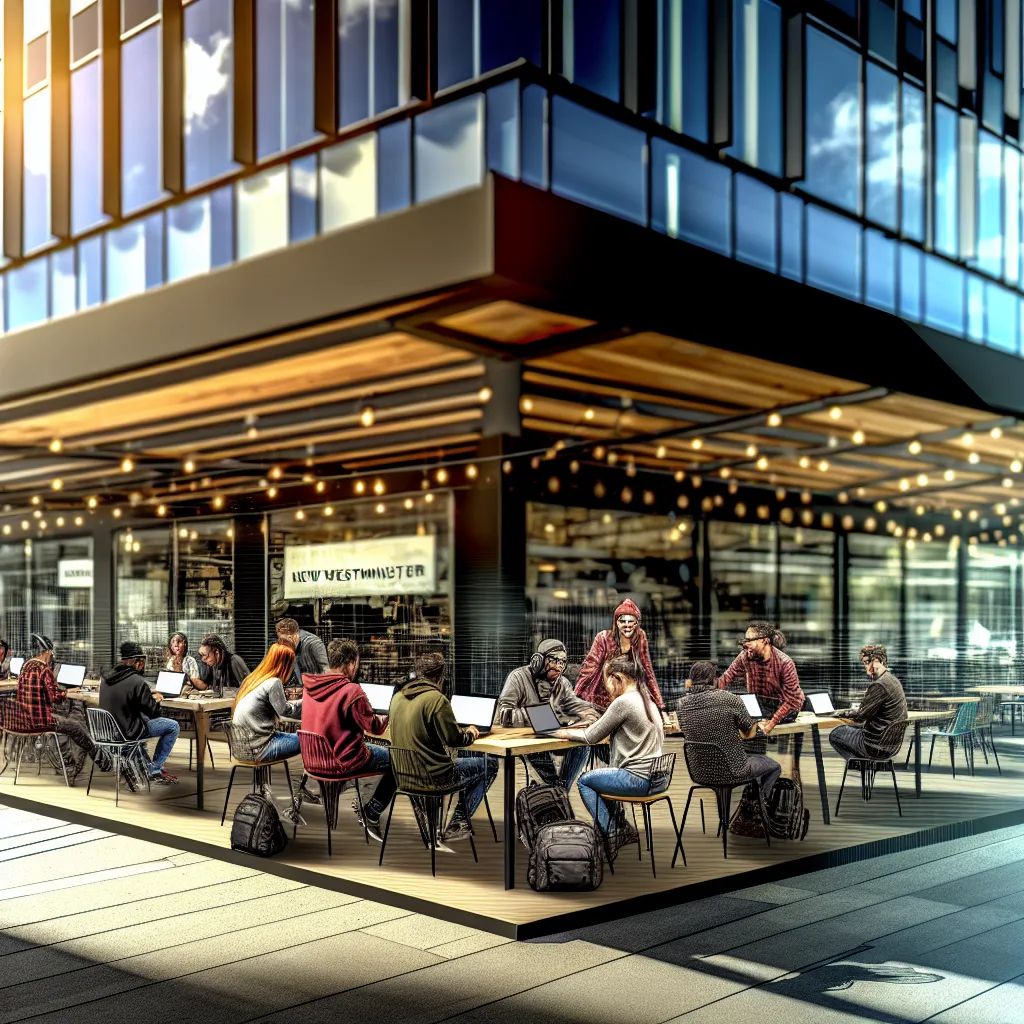
    Vancouver App Development - A vibrant outdoor scene in downtown New Westminster, showcasing a group of diverse tech professionals collaborating on mobile app development. The setting is a modern coffee shop with large windows allowing natural light to flood in. The image captures the excitement and energy of a brainstorming session, with laptops and devices on the table. The camera angle is slightly above eye level, creating mobile apps tech startups

    Vancouver's app development industry is booming, projected to grow by 15% annually. This surge is driven by the increasing demand for innovative digital solutions. Currently, there are over 1,500 web development agencies in the city, each catering to diverse needs.

    Statistics show that mobile app usage continues to rise. In 2023, users spend an average of 4.2 hours daily on mobile apps, with popular categories including social media, gaming, and productivity. Social media apps like Instagram and TikTok dominate downloads, reflecting user preferences for engagement and connectivity.

    Key trends shaping Vancouver's app market include emerging technologies such as AI, blockchain, and mobile-first design. These technologies enhance user experiences and streamline development processes. For instance, AI is increasingly used for personalized content and user recommendations, making apps more engaging.

    User engagement trends also indicate a shift towards interactive and immersive experiences. Features like in-app messaging and gamification are becoming standard, keeping users engaged longer. As businesses adapt to these trends, the need for skilled app developers in Vancouver grows. With the right mix of creativity and technology, local agencies are well-positioned to meet the evolving demands of users and businesses alike.

    Vancouver's Thriving Tech Startups

    Vancouver is becoming a hotspot for tech startups, especially in app development. The industry is projected to grow by 15% annually, driven by a rising demand for innovative digital solutions. Startups like **Clio** and **Hootsuite** have gained recognition, showcasing how local talent can create impactful platforms. Clio revolutionizes legal practice management, while Hootsuite has transformed social media management. These success stories highlight the potential for new ideas to thrive in this vibrant market.

    Emerging technologies are shaping the app development scene in Vancouver. Trends such as artificial intelligence, blockchain, and mobile-first design are at the forefront. Companies are using these technologies to create smarter, more efficient apps. This focus on innovation is crucial for startups aiming to stand out in a crowded field.

    However, challenges persist in the app development landscape. Many startups struggle with funding and attracting skilled talent. The competition is fierce, with over 1,500 web development agencies in the region. Each agency caters to diverse digital needs, which can make it hard for new entrants to gain traction. Additionally, balancing speed and quality in development can be a significant hurdle. Startups must find ways to deliver robust apps while meeting tight deadlines.

    Despite these challenges, the future looks bright for Vancouver's tech startups. With a supportive ecosystem and a growing market, innovative ideas have a good chance of succeeding. As more entrepreneurs enter the field, Vancouver's app development industry will likely continue to flourish, creating even more success stories to inspire the next generation of tech leaders.

    Support from the Local Ecosystem

    Vancouver's app development scene is thriving, driven by a supportive local ecosystem. With over 1,500 web development agencies, the city offers diverse options for businesses seeking digital solutions. The industry is projected to grow by 15% annually, thanks to increasing demand for innovative technology.

    Incubators and accelerators play a vital role in nurturing local startups. They provide essential resources, mentorship, and networking opportunities that help new businesses flourish. Programs like Launch Academy and The DMZ are pivotal for aspiring app developers, offering guidance on everything from business strategy to technical skills.

    Funding sources are also abundant in Vancouver. Local investors and venture capital firms focus on tech startups, providing the financial backing necessary for app development projects. Organizations like the British Columbia Innovation Council further support entrepreneurs through grants and funding initiatives.

    Community initiatives add another layer of support. Networking events, workshops, and hackathons foster collaboration among developers and entrepreneurs. These gatherings not only promote knowledge sharing but also help build lasting relationships within the tech community.

    Local companies emphasize personalized services and a deep understanding of the Vancouver market. This approach ensures that apps are tailored to meet specific needs, enhancing user experience and engagement. With such robust support, Vancouver is well-positioned for continued growth in the app development industry.

    Practical Steps for Aspiring Developers

    Vancouver App Development - A sleek, modern office space in Vancouver, showcasing a tech startup&#39;s workspace. The interior features collaborative areas with whiteboards filled with app development ideas. Warm, natural light filters through large windows, illuminating the space. The composition includes a mix of people engaged in discussions and working on laptops, emphasizing innovation and teamwork. The photo is taken from  mobile apps tech startups

    Vancouver's app development industry is booming, growing by 15% annually. This growth is driven by a high demand for tech solutions and emerging technologies like AI and blockchain. If you want to dive into app development in this vibrant market, here are some practical steps to get started.

    First, define your app idea clearly. Understand the problem your app will solve and who your target audience is. Next, familiarize yourself with programming languages such as Swift for iOS or Kotlin for Android. There are numerous online resources available for learning these skills. Websites like Codecademy and Udemy offer courses that can help you build a solid foundation in app development.

    Once you have the basics down, start building small projects. This hands-on experience is crucial. Tools like Flutter and React Native can help you create cross-platform apps efficiently. As you develop, seek feedback from peers or mentors to improve your work.

    Networking is vital in the tech community. Attend local tech meetups, workshops, or hackathons in Vancouver. These events provide opportunities to connect with other developers and industry professionals. Joining online forums or groups on platforms like LinkedIn can also help you find support and resources.

    Finally, stay updated on industry trends. Follow local blogs and tech news to learn about the latest advancements and best practices. Understanding the unique needs of the Vancouver market will give you an edge. Local companies often emphasize personalized services, so tailor your approach accordingly.

    By following these steps, you can navigate the exciting world of app development in Vancouver successfully.

    Key Takeaways

    Vancouver's app development industry is set to grow by 15% each year, driven by a rising demand for innovative digital solutions. Key trends include the adoption of emerging technologies like AI, blockchain, and mobile-first design. Local companies are focusing on personalized services, ensuring they truly understand the unique needs of the Vancouver market.

    Staying updated on these trends is crucial for businesses looking to stay competitive. As the tech landscape evolves, being aware of the latest tools and services can provide a significant advantage.

    In conclusion, the future of app development in Vancouver looks promising. Companies that embrace these changes will not only meet customer expectations but also thrive in this dynamic environment.

    FAQ

    **Q: What are the main trends in app development in Vancouver?**\

    A: Key trends include AI, blockchain, and mobile-first design. These technologies are shaping how apps are built and used.

    **Q: Why is Vancouver important for app development?**\

    A: Vancouver has a growing tech scene with over 1,500 development agencies. The industry is expected to grow by 15% each year.

    **Q: How do local companies approach app development?**\

    A: Local companies focus on personalized services. They understand the unique needs of the Vancouver market.

    **Q: What role does collaboration play in app development?**\

    A: Collaboration is crucial for successful projects. It ensures transparency and better communication between teams and clients.

    **Q: What is mobile-first design?**\

    A: Mobile-first design means creating apps primarily for mobile users. This approach meets the needs of users who rely on smartphones.

    **Q: How does blockchain impact app development?**\

    A: Blockchain enhances security and transparency in apps. It is becoming more popular for various applications, including finance and data management.

    **Q: What should startups consider in app development?**\

    A: Startups should focus on flexibility and scalability. These features help adapt to changing market demands and user needs.

    **Q: Are there specific technologies that are trending in app development?**\

    A: Yes, technologies like React and Node.js are gaining popularity. They improve app performance and user experience.

    **Q: How can businesses benefit from app development?**\

    A: Businesses can engage customers better and streamline operations through apps. This leads to growth and improved customer satisfaction.

    References